
An Interior Designer and a Sommelier Walk Into a House
They're the same person. It's me. I'm that person.
I’ve never Googled “interior designer and sommelier” and found another human being staring back at me.
Go ahead. Try it. You’ll find wine-themed décor guides. You’ll find “how to set up a home bar.” You’ll find zero people who have, like me, spent one afternoon blind-tasting Burgundy and the next one arguing with a client about why the dining room absolutely cannot be greige1.
I am, as far as I can tell, a category of one.
And as an Enneagram 4, I find this equal parts thrilling and deeply on-brand. I’m not going to pretend I don’t love it. I love it.

But here’s the thing I’ve been sitting with lately: these two disciplines aren’t just two cool things that happen to live in the same person. They actually talk to each other. Constantly. The way I think about a room has been fundamentally shaped by the way I was trained to think about a glass of wine. And the more I pay attention to that, the more I think there’s something genuinely useful here, not just for me, but for how you think about your own spaces.
So let’s get into it.
Tasting before seeing
One of the foundational practices of serious wine education is blind tasting. You evaluate a wine before you know what it is. No label. No price point. No reputation. Just what’s in the glass.
It sounds simple. It’s actually radical.
Because here’s what blind tasting teaches you: your brain is a story machine. The moment you see a label, a prestigious château, a famous vintage, a three-figure price, your perception shifts. You taste what you expect to taste. The story the bottle is telling you bleeds into the liquid in the glass.
I think about this all the time in design.
When a client shows me an inspiration image and says “I love this,” I’ve learned to look past the story the image is telling and ask: what specifically are you responding to? Is it the color? The scale? The light? The sense of clutter or the sense of calm? Because often, people fall in love with the label, a specific style, a famous designer’s room, a hotel they stayed in, and miss the actual sensory quality underneath it that made them feel something.
My job, at its best, is to identify the feeling they want before they’ve put a name to it. Just like blind tasting.
Acid is not the enemy. Flatness is.
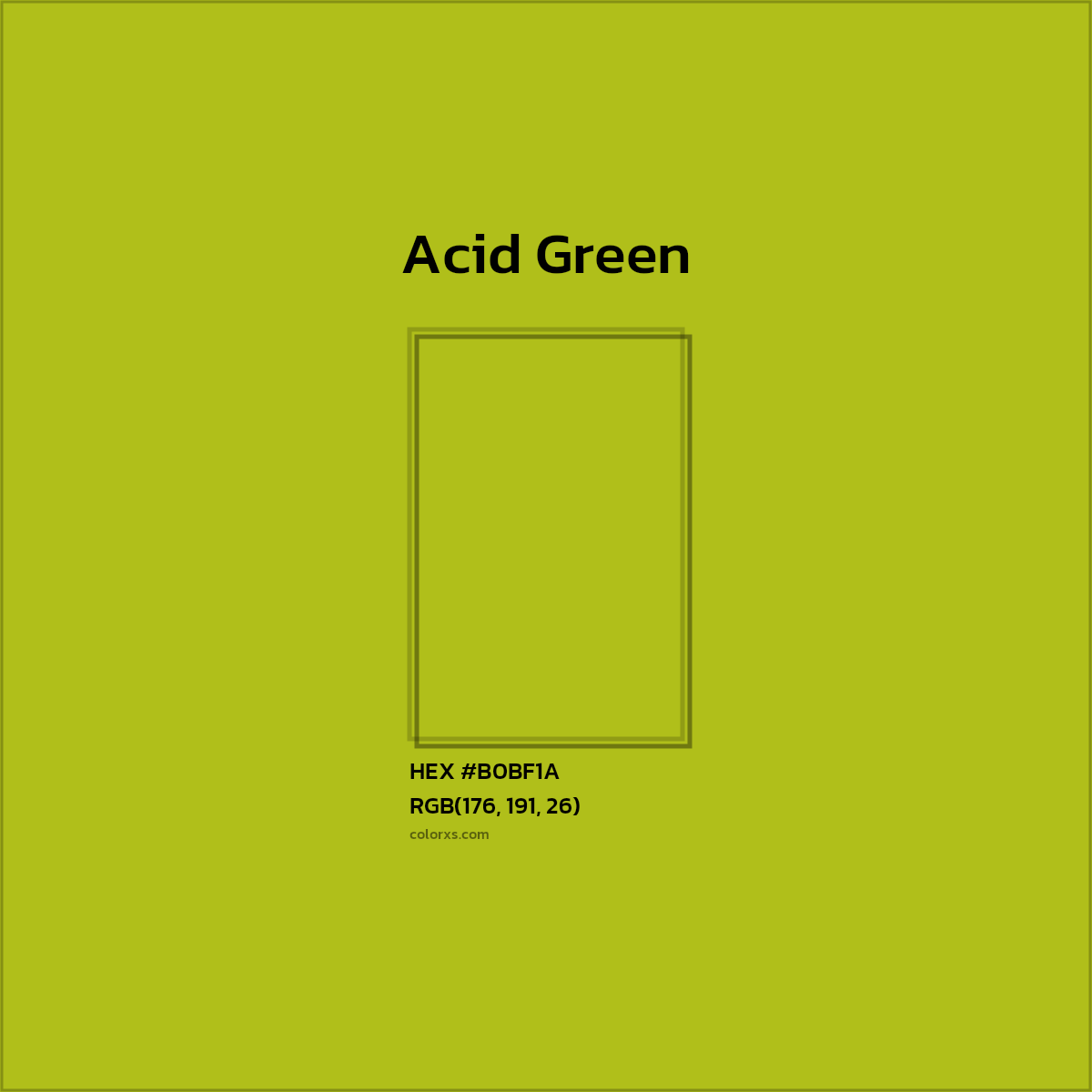
Bright, lime green goes in so many spaces. People are afraid of it. They shouldn’t be.
Here’s something every serious wine student learns early: acid is not a flaw. Acid is what makes a wine alive.
A wine without sufficient acidity is called flabby. It’s soft in the wrong way. It sits in your mouth without going anywhere. It might be technically pleasant, inoffensive even, but it leaves you vaguely unsatisfied without knowing quite why. Nothing about it asks anything of you.
I want you to think about every beige room you have ever walked into. The rooms people describe as “safe.” The spaces that were clearly designed to offend no one and, as a direct result, moved no one. Tasteful, in the most draining possible sense of the word. Technically furnished. Spiritually empty.
That is a flabby room. And I have dedicated my career to refusing to make them.
In wine, acid is what gives structure. It’s the thing that makes the fruit sing rather than slump. It creates tension, lift, the sense that something interesting is happening. In design, that role belongs to boldness: an unexpected color, a pattern that dares to take up space, a sculptural piece that makes you stop mid-sentence when you walk past it. These are not decorating choices made for the faint of heart. They are the choices that make a room mean something.
My philosophy, in both wine and design, is the same: you do not get memorable by playing it safe. You get memorable by having the conviction to be exactly, precisely, unapologetically what you are.
A great Chablis doesn’t apologize for its acidity. It lets that acidity be the whole point.
Your home should feel the same way.2
“Balance” does not equal “boring”
Wine people talk about balance constantly. A balanced wine isn’t one where everything is identical, where the fruit and the acid and the tannin are all at the same volume. That would be flat. A balanced wine is one where each element plays its role without dominating, where the tension between them creates something more interesting than any element could alone.
Many designers treat balance as a synonym for symmetry. Matching lamps. Identical throw pillows. A visual sense of evenness.
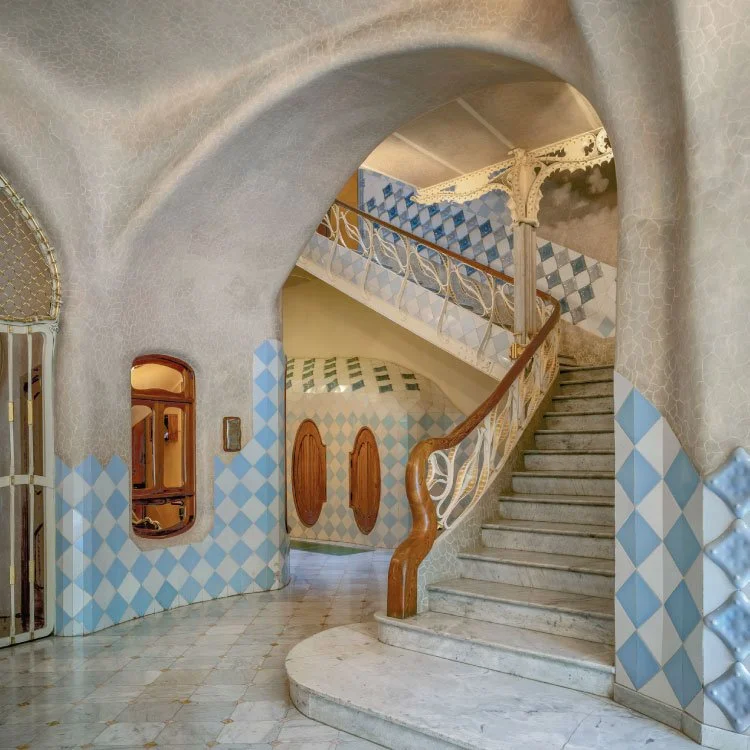
The interior of Gaudí’s Casa Battló is not boring or symmetrical but it is totally in balance.
When I think about balance in a room, I’m thinking about tension. The sculptural lamp that holds its own against a bold patterned sofa. The moody navy wall that earns its drama because the furniture facing it is relatively restrained. The vintage Persian rug that makes a contemporary kitchen feel like it was chosen, not assembled.
Balance, done right, is not peaceful. It’s dynamic. It’s two strong things holding each other up.
Terroir is real, even in rooms
Terroir is the wine world’s word for place. The idea that where a grape grows, the soil, the slope, the climate, the specific patch of earth, is permanently encoded in what ends up in your glass. Two vineyards separated by fifty feet can produce wines that taste nothing alike. Place matters. Place marks things.3
I believe rooms have terroir.
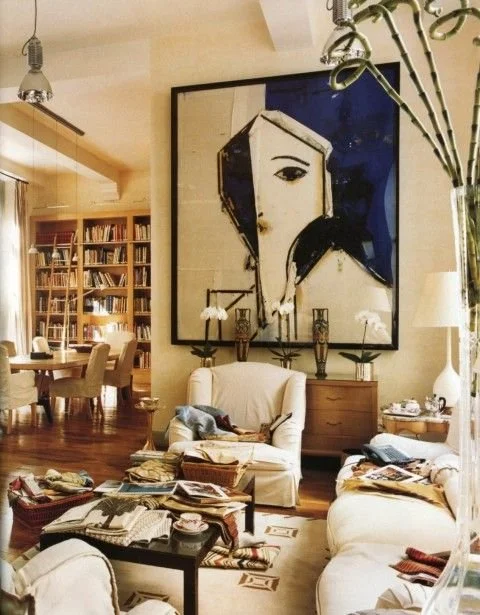
I’ve been working to get listed in the AD Pro directory, and they have very specific requirements for their photos. They want the rooms to look lived in. It’s not a surprise. A space is always shaped by the geography of its inhabitants. Their history, their travels, the objects they’ve accumulated, the light that moves through their windows at 4pm in January. A room that doesn’t acknowledge any of that, one that could have been dropped unchanged into any house in any city, has no terroir. It’s a hotel room. It’s generic. It tastes like nothing.
The spaces I love to create are ones where you walk in and immediately know something true about the people who live there. Where the design is doing something a catalog could never replicate, because it’s actually about this person, in this place, at this point in their life.
That’s terroir. And that’s what I’m chasing every time.
The punchline, if there is one
I used to think my sommelier credentials were a fun fact. A conversation starter. Something mildly surprising I could drop at dinner parties.
I don’t think that anymore.
I think they’re a lens, a completely different training system for the same underlying skill, which is this: learning to pay precise, educated attention to sensory experience, and then translating that attention into something another person can feel.
That’s what a sommelier does. That’s what a designer does.
I just happen to do both.
And if you’ve ever had the pleasure of sitting in a room that felt genuinely, specifically, unmistakably right, the way a great glass of wine with perfect acid and perfect tension feels right, you already know exactly what I mean.
A room without boldness is just a flabby wine with better furniture.
Don’t settle for flabby.